

The Cardiff number that made me rethink home betting
A few seasons ago I started keeping a private note of how the EIHL’s strongest sides did on their own ice, and one figure stopped me cold: Cardiff Devils’ home win-rate not infrequently pushes past seventy percent. Seventy. In a sport people love to call a coin flip, one of the league’s best clubs was winning more than two in three of its home games. That single number changed how I bet British hockey, and it raises the only question that matters here: if home advantage is that real, are the home prices generous enough to back?
Home advantage in ice hockey is not a vague feeling about crowd noise. It is a measurable edge that shows up in win-rates and, crucially, in the prices, and the trick is working out whether the bookmakers have already priced it in fully or left a sliver on the table.
The home win numbers, and what they are worth
The headline is that the league’s three big sides, the clubs that also dominate the title market, convert roughly sixty to sixty-five percent of their home games into wins. Against mid-table opposition at home, their match prices sit around 1.60 to 1.90 in decimal. Cardiff’s habit of clearing seventy percent on their own ice is the upper end of that range, the home edge at its most pronounced.
Translate the prices and the question becomes precise. A home favourite at 1.70 implies a fifty-nine percent chance of winning. If that club is genuinely winning sixty-five percent of comparable home games, the price is offering you a real edge, small but repeatable. If the club is the one priced at 1.60, implying sixty-three percent, and it wins exactly sixty-three percent at home, you are paying full freight and the margin is quietly eating you. The home win-rate is only useful held up against the price; on its own it tells you a team is good, not that the bet is good.
This is the discipline that separates backing home sides from simply liking home sides. Sixty-five percent home wins is a fact about the team. Whether 1.70 is value depends entirely on whether sixty-five beats the fifty-nine the price implies, and on whether this particular opponent and this particular night fit the average the win-rate was built from.
The crowd behind the edge
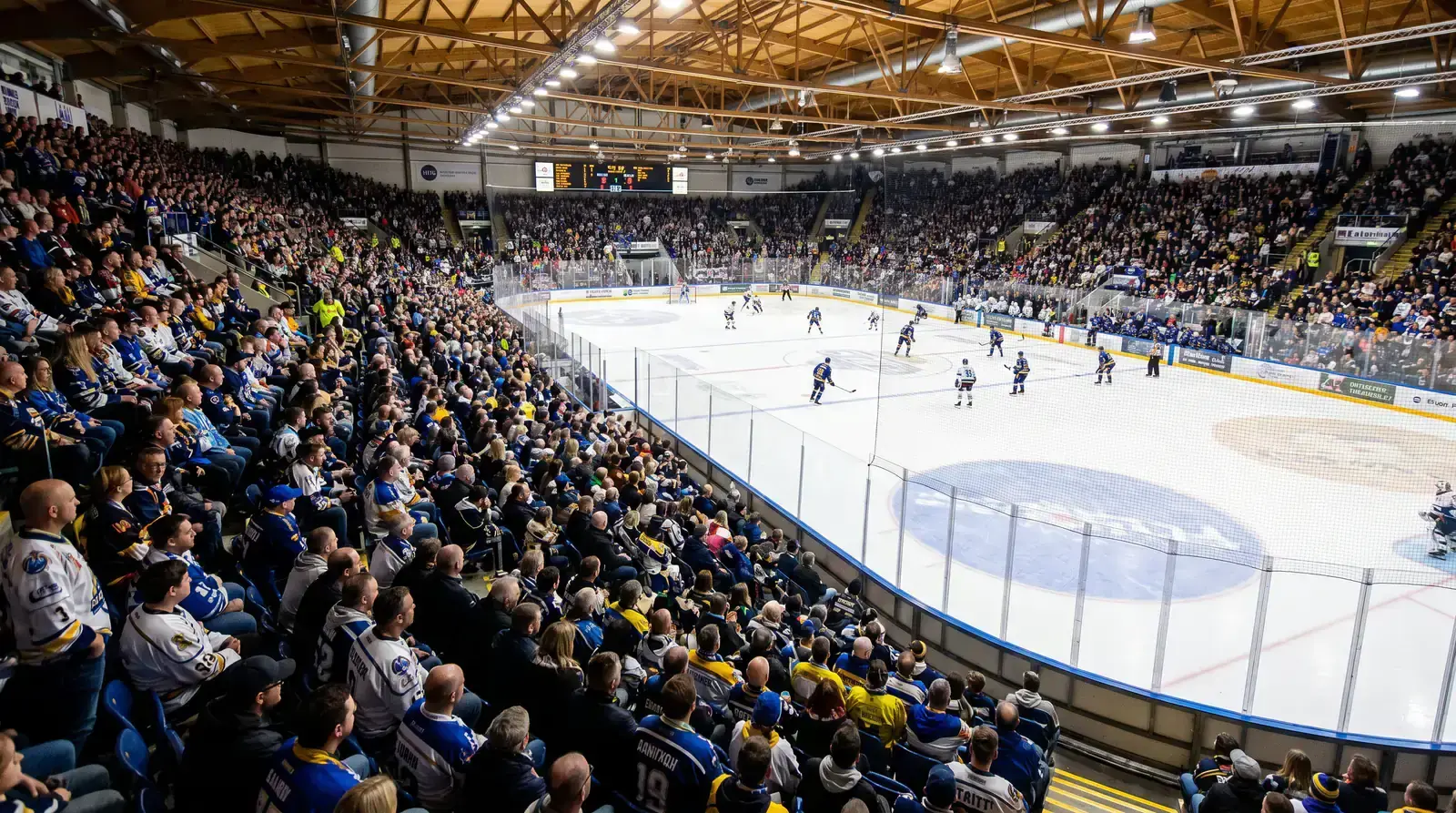
I used to be sceptical that atmosphere moved results, until I watched the attendance trend climb season on season. Average EIHL crowds rose from 3,148 in 2022-23 to 3,660 in 2024-25 and on to 3,863 in 2025-26, and the 2025-26 campaign packed in a total of 1,321,128 spectators across 270 games. That is a league whose buildings are getting fuller and louder, and the home edge is rising alongside the noise.
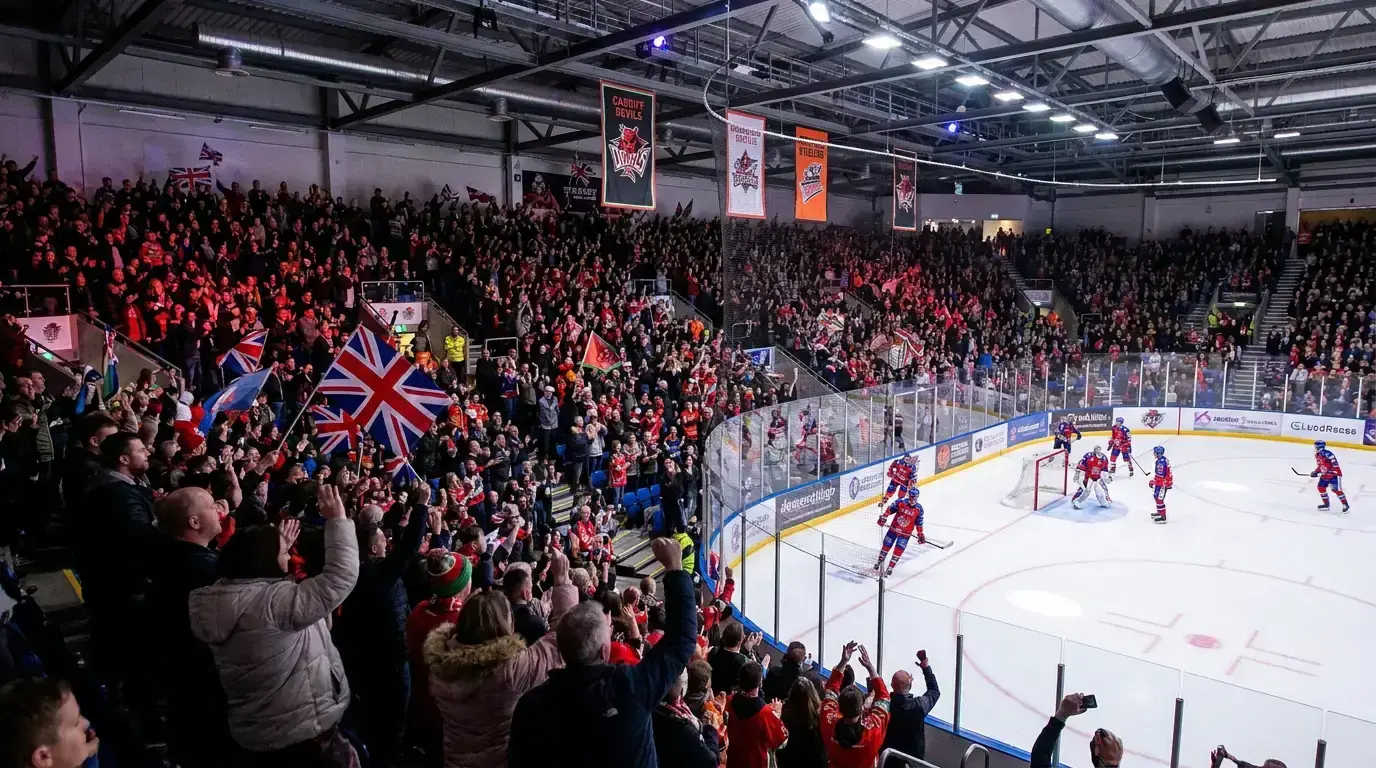
There is a real mechanism under the romance. A loud, full barn affects officiating at the margins, lifts the home side’s energy in the third period, and rattles visiting goaltenders in ways that quietly tilt close games. None of it guarantees a result, but across a season it nudges a club from winning fifty-five percent at home to winning sixty-five, and that ten-point swing is enormous when you are trying to beat a price that implies fifty-nine. The clubs with the biggest, most committed crowds are, not coincidentally, the clubs posting the highest home win-rates.

What I do not do is treat every home game as equal. A top club hosting a struggling side in front of a packed house is the genuine home edge. The same club playing a midweek fixture against another contender, with a thinner crowd, is a different bet entirely, and the win-rate built from full weekend houses does not transfer cleanly to it.
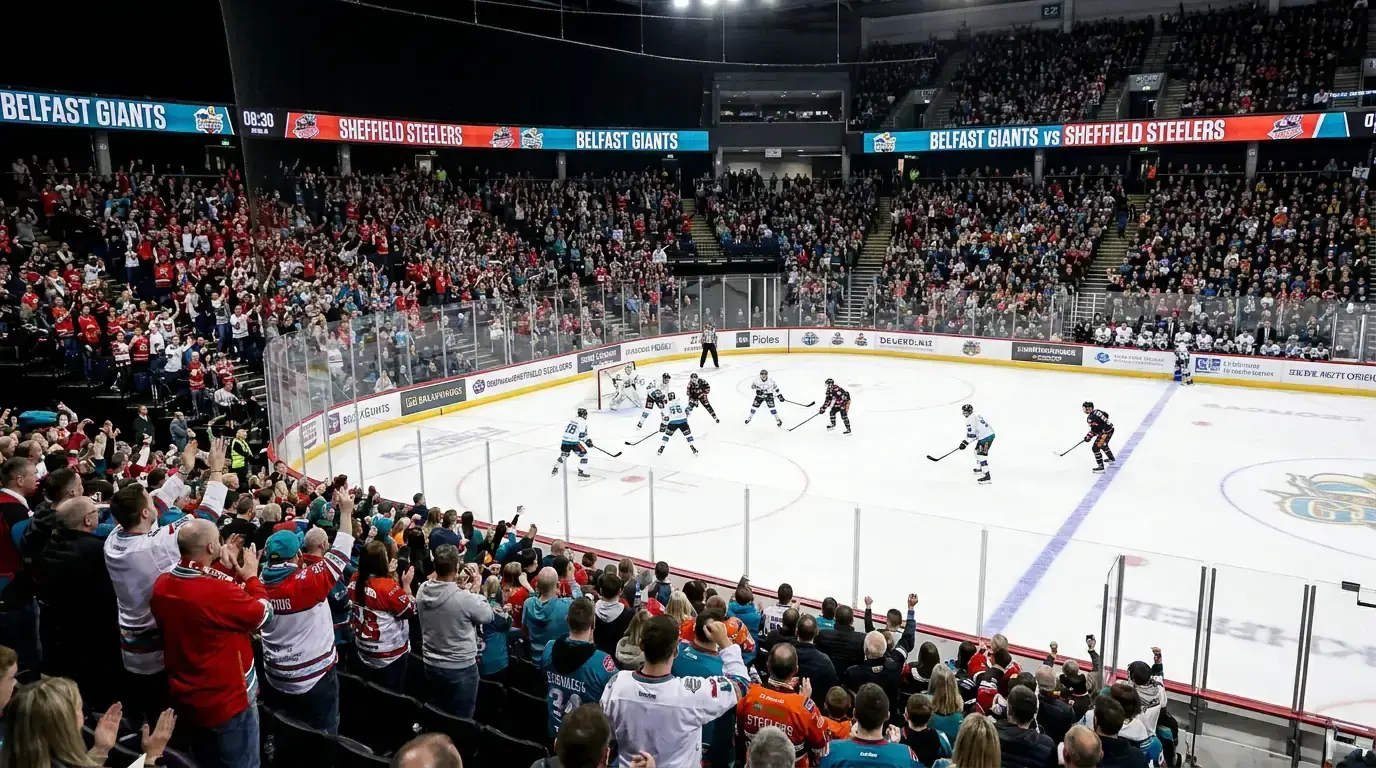
The travel angle matters more in this league than people credit, too. The EIHL is spread across Britain, with clubs in Belfast, Cardiff, Sheffield, Nottingham and beyond, and a visiting side that has crossed the Irish Sea or driven the length of the country arrives with tired legs. That logistical reality is part of why the home edge holds up so well; the visitors are not just facing a hostile crowd, they are often facing it on the back of a punishing trip. When I weigh a home price, I quietly factor in how far the opponent has come and how it sits in their schedule.
Backing the home side without overpaying
So do home favourites pay? My answer, after years of tracking it, is a qualified yes, with the qualification doing all the work. The home edge in the EIHL is real, it is rising with the crowds, and the strongest clubs back it up with sixty-five and seventy percent win-rates. But the bookmakers know all of this, and the prices around 1.60 to 1.90 already swallow most of the edge. The money is made in the gaps: the nights a strong home side is priced a fraction longer than its true home chance, usually because the opponent’s name carries more weight than its current form.

My rule is to back home favourites only when I can argue the price understates the home win-rate for that specific matchup, and to walk away when the price simply matches it. I also lean hardest on the clubs with the deepest home records, because a seventy-percent home side handed a 1.70 price is a far better proposition than a sixty-percent side at the same number. The home edge is a tool, not a licence; it pays when the price has not caught up to it, and it bleeds when it has. For where these home prices fit alongside outrights and the wider market, see my full EIHL betting odds breakdown.
One pattern I keep coming back to is the value in stacking. A home favourite at 1.70 is dull on its own, but a strong home side is also one of the safer legs to build into a longer bet, where its high win-rate compounds rather than just paying a thin single-game return. That is a topic in its own right, but the principle starts here: the EIHL home edge is most useful not as a standalone punt but as a reliable foundation you can trust to hold up more often than the price suggests.
The home edge as a long game
The thing I would leave a newer bettor with is that home advantage rewards consistency, not excitement. You will not get rich backing 1.70 home favourites, and you should not try to. What you can do is build a slow, grinding edge by backing strong home sides only at prices that undervalue their genuine home win-rate, letting the league’s rising crowds and the contenders’ sixty-five and seventy percent records do the heavy lifting over a full season rather than a single night.