
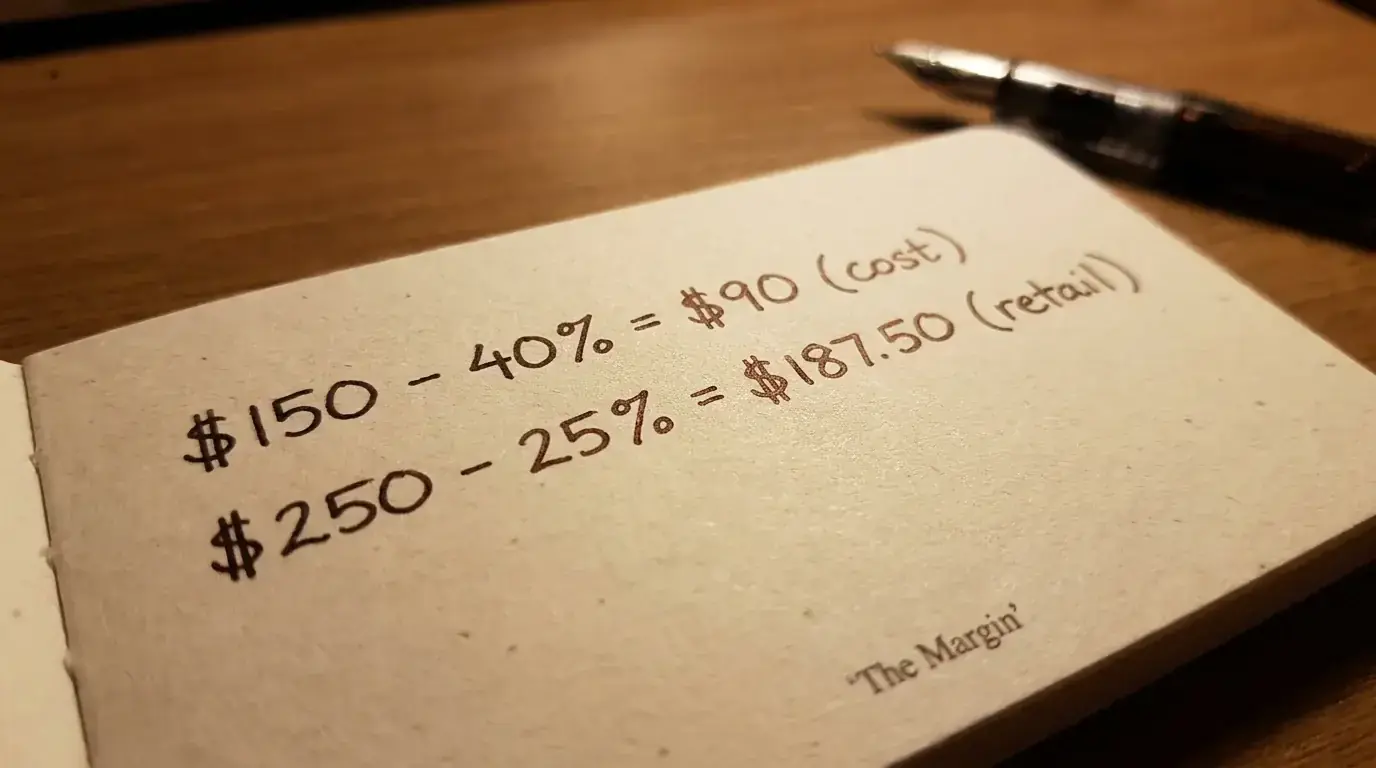

The day the percentages refused to add up
The first time I added up the implied chances on a hockey moneyline and got a number bigger than one hundred percent, I assumed I had made an arithmetic mistake. I had not. The percentages are supposed to overshoot, and that overshoot is the bookmaker’s profit margin hiding in plain sight. UK online gross gambling yield grew by 13.1% to reach 7.8 billion pounds, and almost every penny of it begins as this small, invisible surcharge baked into the odds. Once you can see it, you can never unsee it, and you start shopping for the prices where it is smallest.
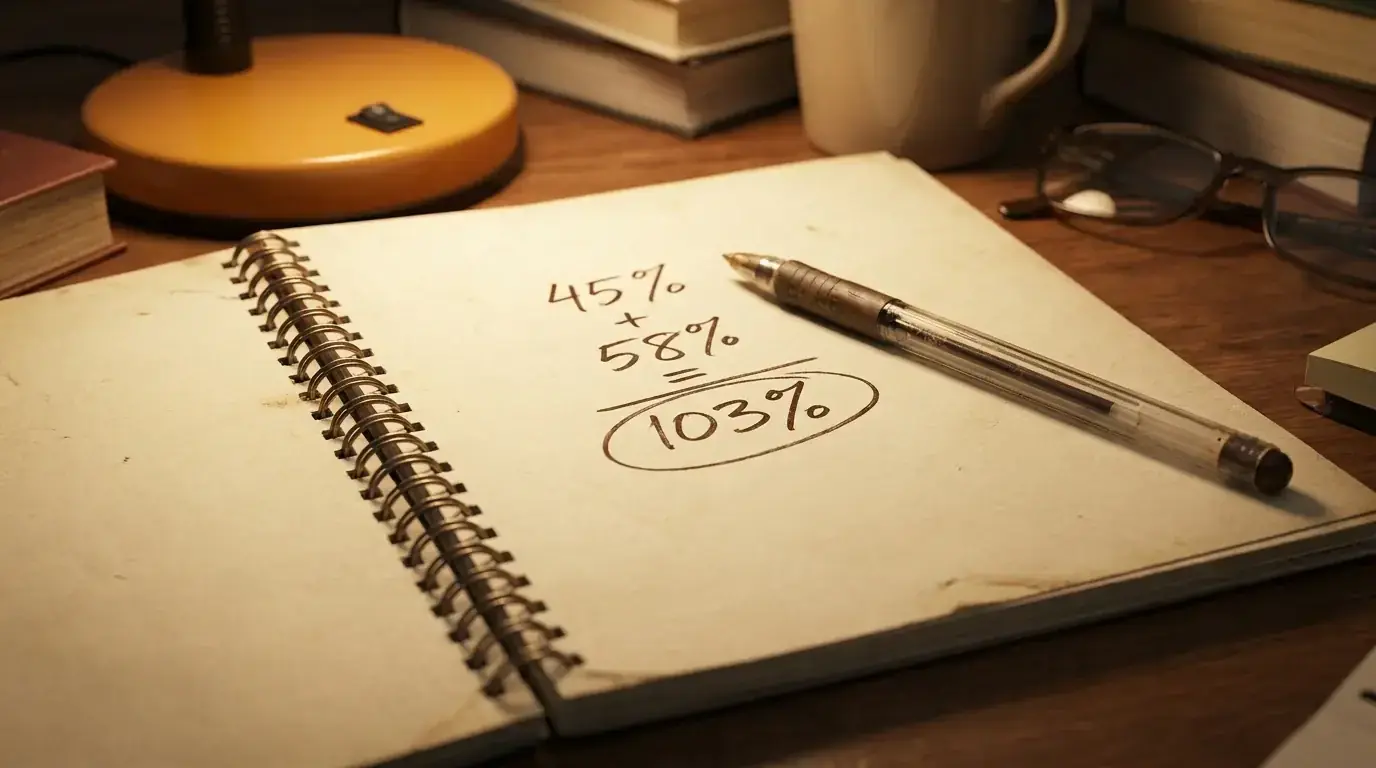
The overround, sometimes called the margin, the vig or the juice, is the amount by which the implied probabilities of all outcomes in a market exceed one hundred percent. It is the bookmaker’s built-in edge, and understanding it is the difference between paying full price and hunting for value.
How the overround is built into a price
Imagine a perfectly fair coin-flip game between two evenly matched teams. A truly fair price on each side would be 2.00 in decimal, because each implies a fifty percent chance, and two fifties add to a clean one hundred. No margin, no profit for the operator, and over time the bookmaker breaks even. That is not a business; it is a charity.

So the operator shortens both prices. Instead of 2.00 and 2.00, they offer 1.91 and 1.91. Each of those implies a chance of just over fifty-two percent, because a decimal price converts to probability by dividing one hundred by the odds, and two fifty-two percents add up to roughly one hundred and four. That extra four percent over the fair hundred is the overround, and it is the operator’s expected profit on the market regardless of which team wins. The bettor is being asked to risk more to win less than the true odds justify, on every single bet, and the gap is the margin.
The crucial thing to grasp is that this surcharge is invisible unless you go looking for it. The prices look like normal odds; nothing flashes a warning that you are paying four percent over fair. The only way to see the margin is to convert every outcome to probability and add them up, and the amount over one hundred is the toll you pay for the privilege of betting.
Working out the margin yourself
The calculation is one I run almost without thinking now, and it takes seconds. Take every outcome in a market, convert each decimal price to its implied probability by dividing one hundred by the odds, and add the percentages together. The total minus one hundred is the overround.
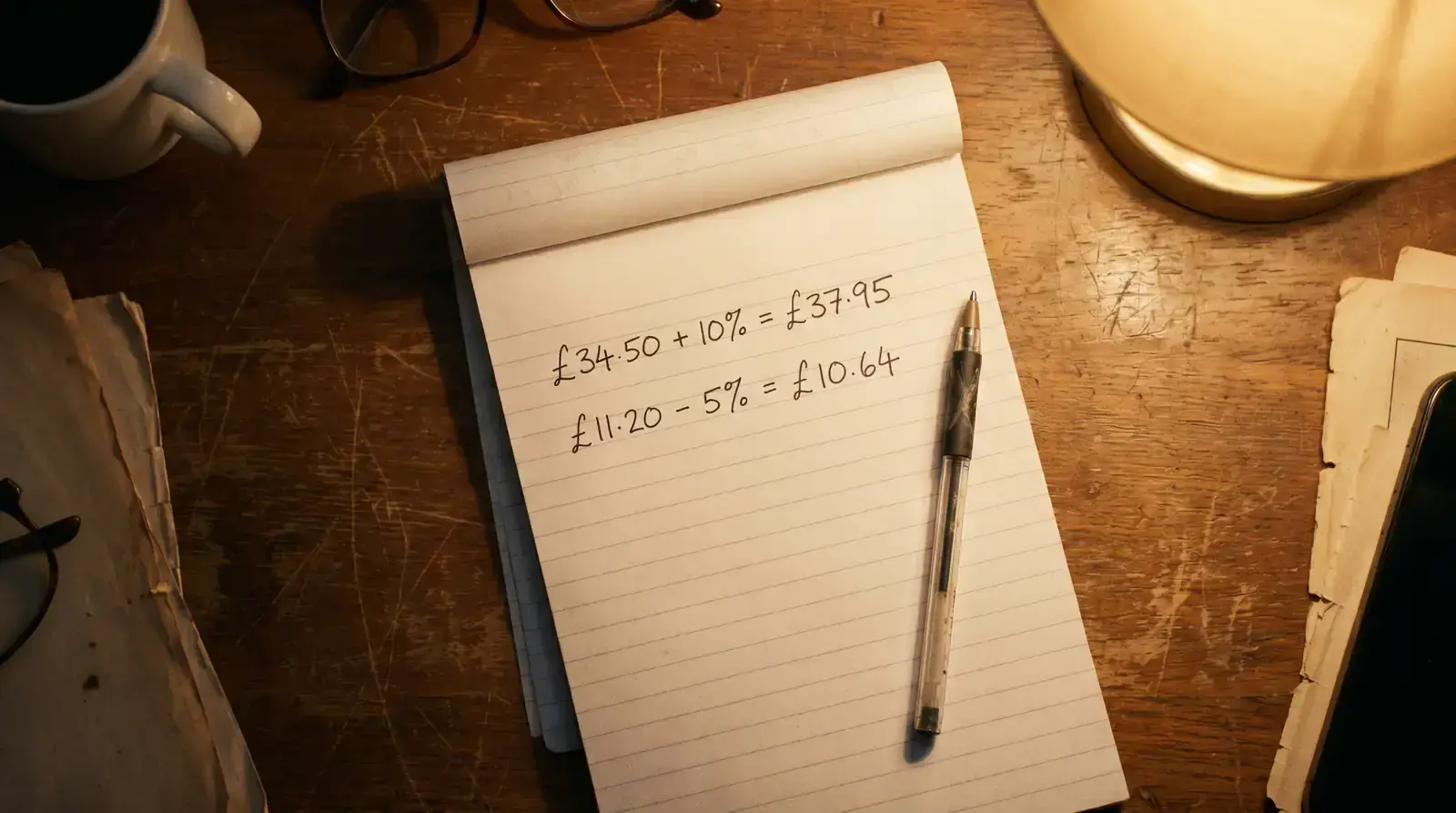
On a two-way hockey moneyline of 1.91 and 1.91, the two implied chances of 52.4 percent each sum to 104.8, so the margin is 4.8 percent. On a tighter market priced 1.95 and 1.95, the implieds are 51.3 each, summing to 102.6, a margin of 2.6 percent, a far better deal for the bettor. The smaller the overround, the more of the true value the operator is leaving on the table for you. Markets with more outcomes, like a three-way result that adds the draw, or an outright with thirty-two teams, carry fatter margins because there are more prices to shade, which is why outrights are some of the worst-value bets on the board.
This is why I never bet a price without a rough sense of the margin behind it. A handsome-looking 3.50 on an EIHL contender means one thing in a market with a four percent overround and quite another in one carrying twenty percent, even though the headline number is identical. The margin is the context that tells you whether a price is generous or a trap.
There is a refinement worth knowing once the basic idea clicks. The margin is rarely spread evenly across the outcomes; operators tend to load more of it onto the longshots and shade the favourites less, because casual money piles onto outsiders chasing big returns. On a hockey moneyline that means the underdog price often carries a heavier slice of the overround than the favourite, so the apparent value on a long price is frequently worse than it looks. When I weigh an outsider, I assume the margin is working hardest against me there, and I demand a genuinely strong read to justify it.
Shopping for the smallest margin
The practical payoff of all this is the single most reliable edge available to an ordinary bettor: shop around. With over two thousand licensed operators in the UK market, the same game is priced by many different firms, and their overrounds vary. Backing the same outcome at 1.95 instead of 1.91 does not feel dramatic, but repeated across hundreds of bets it is the difference between a margin of 2.6 percent and 4.8 percent eating your returns, and that gap compounds into real money over a season.
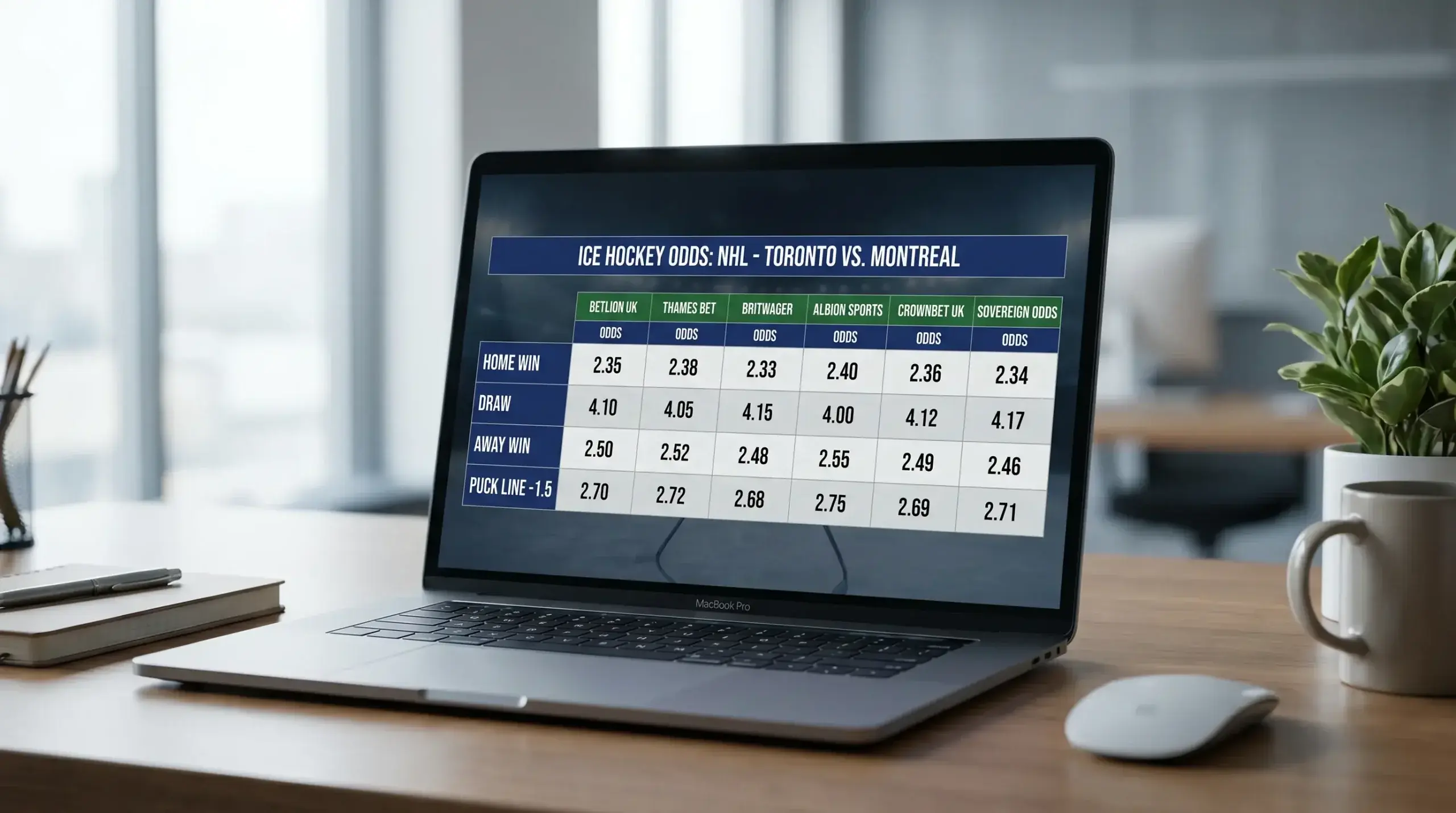
The people who study gambling harm have pushed for the market to be understood more clearly, and as the harm-prevention charity GambleAware and Professor Sian Griffiths put it in welcoming recent reforms, “We welcome the Government’s plans for the new statutory levy on the gambling industry, alongside the introduction of lower online stake limits.” For the everyday bettor, the clearest-eyed version of that scrutiny is internal: know exactly what margin you are paying and refuse to pay more than you have to. For the conversion methods that make calculating implied probability and margin quick, see my guide to reading and converting odds.
Seeing the toll on every bet
What changed for me when I learned to read the overround was that betting stopped feeling like a contest only against the teams and started feeling like a contest against the price too. Every market carries a toll, the percentage above one hundred that the operator keeps no matter what happens on the ice. The bettor who cannot see that toll pays it blindly. The one who calculates it, compares it across operators and refuses the worst of it has handed themselves an edge that requires no prediction skill at all, only the willingness to do the arithmetic before placing the bet.