


The first bet I ever placed, and what I got wrong
My first ice hockey bet was a confident, ill-informed punt on a handicap I did not understand, on a game I had barely watched, at a price I could not properly read. It lost, and looking back, it deserved to. Nearly half of British adults, 47% in the most recent survey, had gambled in some form in the past four weeks, and a good chunk of newcomers start exactly as I did: betting on instinct before learning the basics. This guide is the one I wish I had read first, because ice hockey betting is genuinely simple once you strip it back to three markets and one habit.
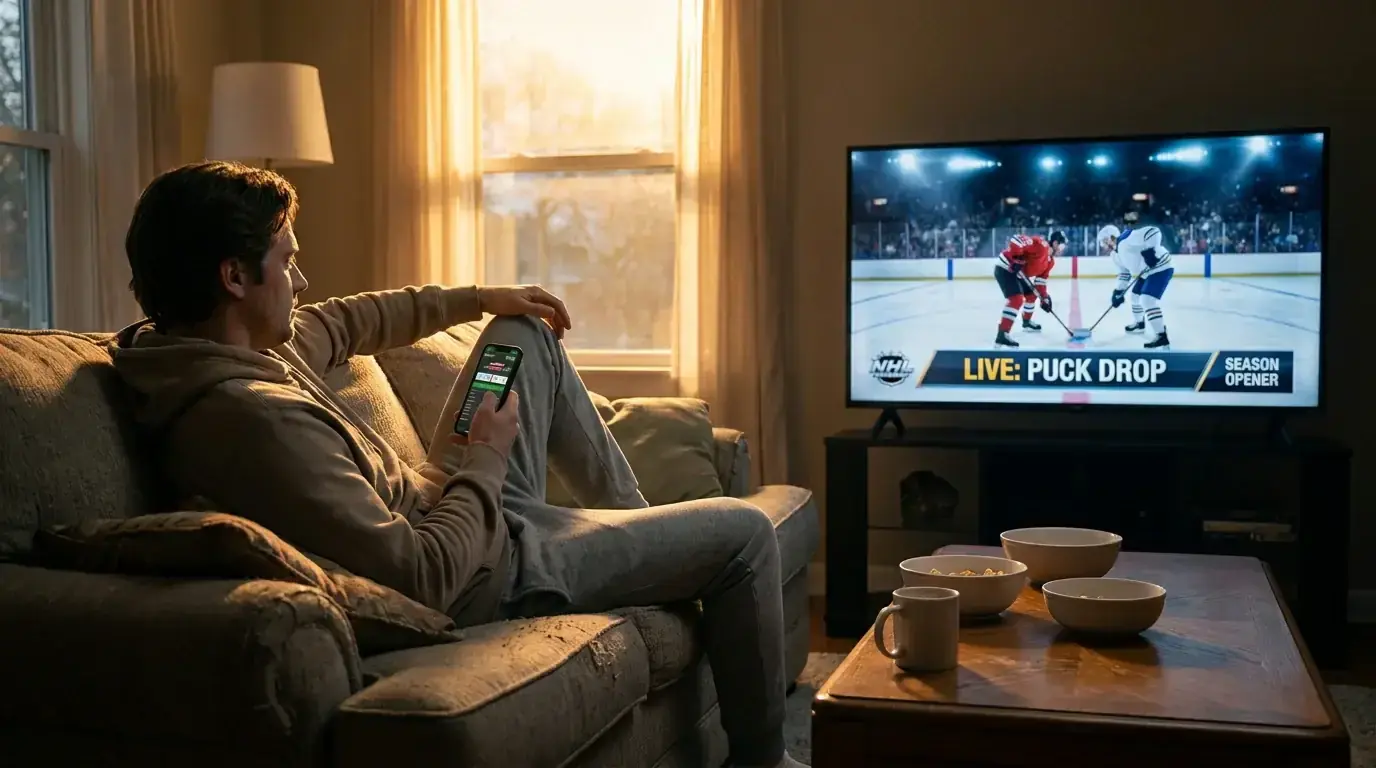
The good news for a beginner is that you do not need to understand everything to start sensibly. You need to understand three bets, know how to read the price, and respect a single rule about staking. Everything else is detail you can pick up over time.
Your first three markets
Forget the exotic stuff. The three bets that will carry you through your first season are the moneyline, the puck line and the total, and the typical hockey total sitting around 5.5 to 6.5 goals tells you most games are low-scoring affairs decided by fine margins.

The moneyline is the simplest bet in the sport: you pick the winner, full stop. In ice hockey it includes overtime and shootouts, so whoever takes the two points wins your bet. It is the bet I steer every beginner toward first, because it asks one clear question, who wins, and nothing more. The puck line is the handicap, a fixed margin of plus or minus 1.5 goals. Backing a favourite at minus 1.5 means they must win by two or more; backing an underdog at plus 1.5 means they must lose by one or win outright. It pays more than the moneyline but adds the complication of margin, and I would leave it alone until the moneyline feels second nature. The total is the over/under on combined goals, where you back whether the game finishes above or below the line, ignoring who wins entirely.

Master those three and you can bet any hockey game in the world competently. The clever markets, props, accumulators, live betting, are all variations built on this foundation, and chasing them before you understand the basics is exactly the mistake I made.
The staking habit that matters more than any tip
If you take one thing from this guide, take this. The most important skill in betting is not picking winners; it is controlling how much you risk, and a beginner who stakes sensibly will outlast a beginner who picks well but bets recklessly. Decide before you start how much money you are willing to lose across a season, treat it as the cost of entertainment, and never add to it chasing a loss.

Decimal odds make the staking arithmetic easy, which is why I recommend beginners use them. Because a decimal price shows the total return on a one-unit stake, a five pound bet at 2.00 returns ten pounds, and the maths never surprises you. Knowing exactly what you stand to win and lose before you place the bet is the foundation of staying in control, and decimal makes that transparent in a way fractional odds do not for a newcomer.
My rule for a starting bettor is small, flat stakes: the same modest amount on every bet, no doubling up after a loss, no piling on when you feel hot. This is dull and it works. The thrill of betting comes from the games, not from the size of the stake, and the bettors who blow up early are almost always the ones who let the stake chase the emotion.
Staying safe and in control
The UK has built real protections around betting, and as a beginner you should know they exist and lean on them. Since April 2025 there has been a five pound stake limit on online slots for all adults, and from May 2025 a two pound limit for players aged eighteen to twenty-four, part of a deliberate move to reduce gambling harm. Those limits are about slots specifically, but they signal the wider point: the system is designed with consumer safety in mind, and the tools that come with it are there for you to use.

Every licensed operator offers deposit limits, time-outs and self-exclusion, and setting a deposit limit on day one is the single smartest thing a beginner can do. It removes the in-the-moment decision and replaces it with a calm one made in advance. The support charity GamCare, which runs the national helpline, welcomed the recent youth-focused limits, noting that it had “witnessed a steep rise in our Helpline callers citing difficulties with online slots” and seeing the changes as an important step in preventing future harm. The lesson for a newcomer is to take the safety tools seriously from the start rather than after something goes wrong.
Eighteen is the legal minimum age, and betting should never be a way to make money or escape a bad mood. If it stops being fun, the tools to step back are built into every licensed site. For the practical next step once the moneyline makes sense, learning the two-way and three-way versions of it, I cover it in my guide to the ice hockey moneyline.
From first bet to confident reader
The path from where I started, a clueless losing punt, to reading lines for a living was not about secret tips. It was about doing the dull things well: learning three markets properly, reading prices in a format I understood, and staking small and flat with a deposit limit in place. Do those things and your first season will teach you the game without costing you more than you decided to spend. That is the whole beginner’s secret, and it is far less exciting and far more reliable than any tip you will ever be sold.
