


The bets I lost to things I already knew
The most frustrating losses of my early betting years were not the unlucky ones; they were the ones where I lost to information I already had but had not checked. A goalie I knew was resting. A price I misread because I confused the format. A stake bigger than I had meant to place because I was caught up in the moment. Every one of those was avoidable, and the fix was not more knowledge but a short, dull routine run before every bet. Empty-net goals alone swing roughly twenty to twenty-five percent of games, and the bettor who skips the basics is at the mercy of every such quirk. A checklist is how you stop beating yourself.

A pre-bet checklist is exactly what it sounds like: a fixed set of questions you run through before committing money, every single time, so that the decision is made deliberately rather than on impulse. It is the least glamorous habit in betting and one of the most valuable.
The line and format check
The first thing I check is the price itself, because the most embarrassing losses come from misreading what a bet pays. British markets run on both fractional and decimal, and confusing the two is how people back a price thinking they will win more than they actually will. The single most useful habit here is converting every price to one consistent format before deciding, and because a decimal price shows the total return on a one-unit stake, while a fractional price shows only profit, the gap between them is exactly where the confusion lives.
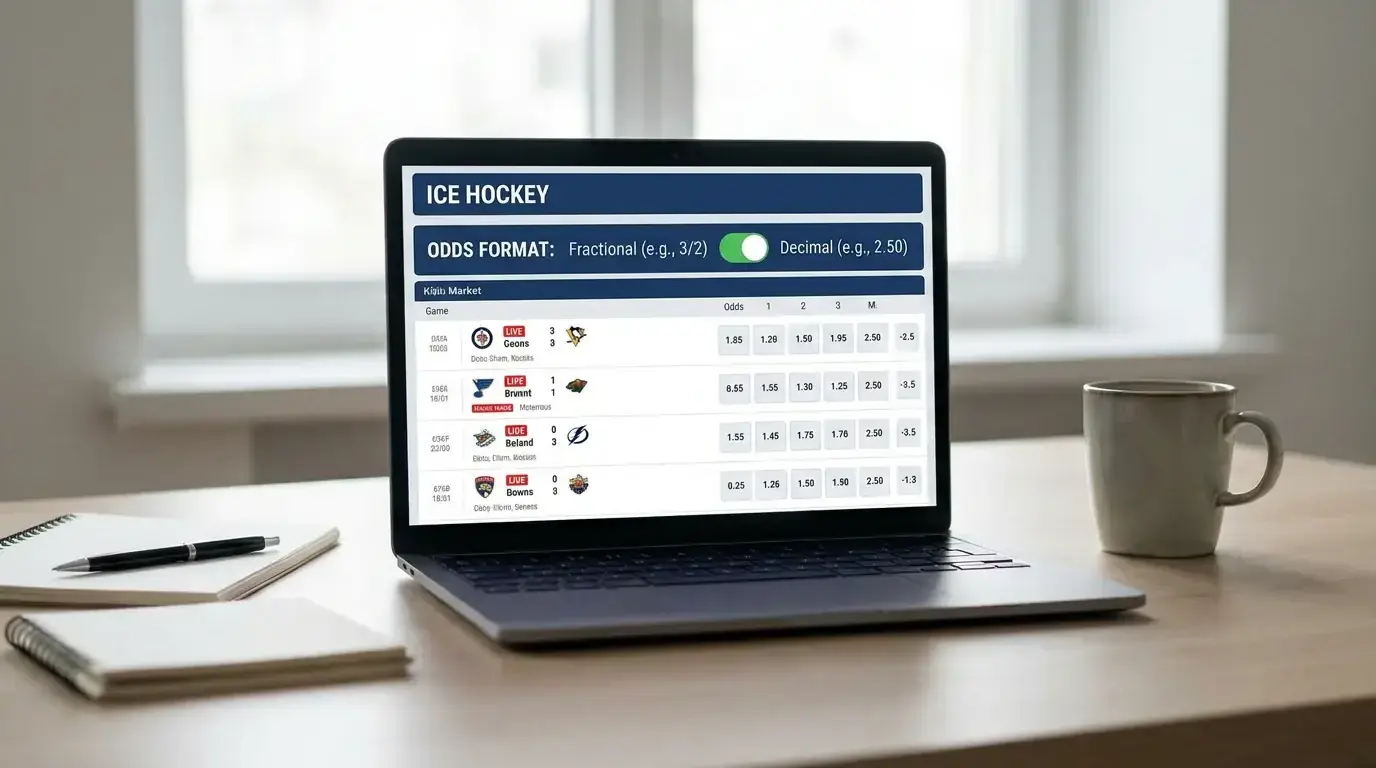
So the format check is simple: read the price, convert it to decimal in your head, and confirm you understand whether it is odds-on, paying less than your stake, or odds-against, paying more. A price below 2.00 is odds-on; 2.00 and above is odds-against. That five-second conversion stops you backing a 5/6 favourite under the illusion that it pays like a 5/1 shot.
The second part of the line check is comparison. With over two thousand licensed operators in the UK, the same bet is priced differently across firms, and taking thirty seconds to check whether a better price exists elsewhere is the easiest edge in betting. The line check is not just “do I understand this price” but “is this the best version of this price I can get”.
The roster and goalie check
The second stage is confirming who is actually playing, and in hockey that means the goalie above all. The starting goaltender shapes a game’s outcome more than any other player, and betting on a projected starter who turns out to be resting is one of the most avoidable mistakes in the sport. So before any bet on a moneyline, handicap or total, I confirm whether the starting goalie is announced or merely projected, and I weight my confidence accordingly.
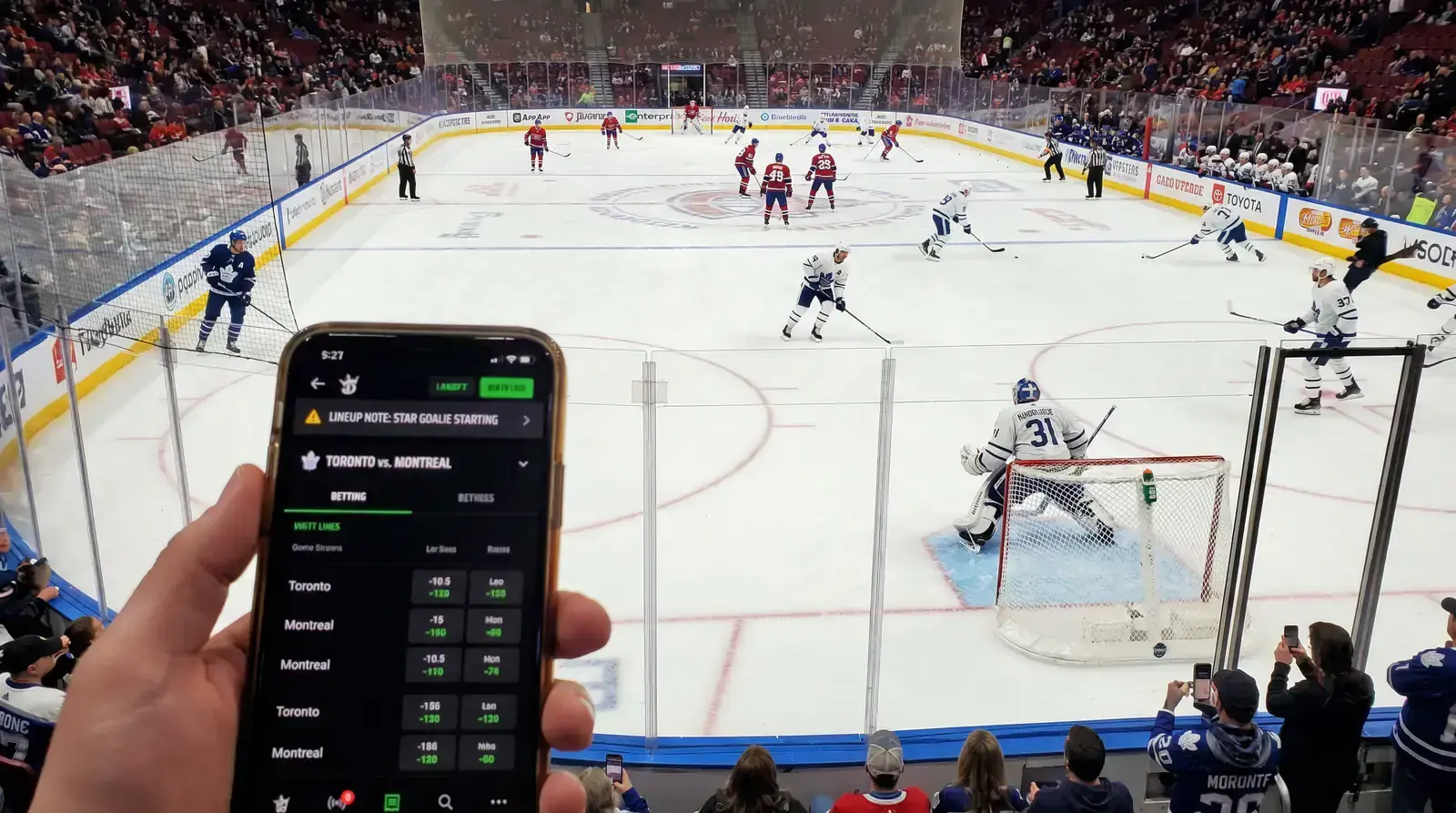
Beyond the net, the roster check covers injuries, suspensions and rest situations that might have changed since I formed my view. A key forward ruled out, a defensive pairing reshuffled, a team resting players at the end of a busy run, all of these reprice the game, and all of them can change between the moment I fancy a bet and the moment I place it. The check is a guard against betting on a version of the team that no longer exists.
This stage is also where I sanity-check the matchup against the structural quirks of the sport. If I am eyeing a minus 1.5 favourite, I ask whether the game is likely to be close enough for overtime to kill the handicap. If I am backing an under, I remember the late empty-net goal that swings a fifth of games. The roster check is partly about who is playing and partly about whether the bet survives the sport’s predictable surprises.
The stake and limit check
The final stage is the one that matters most over a lifetime of betting, and it has nothing to do with the game. Before confirming, I check the stake: is it the amount I intended, sized consistently with my other bets, and within the limit I set myself? The bettors who blow up are almost never the ones who pick badly; they are the ones who let the stake chase the emotion, doubling up after a loss or piling on when they feel hot.

This is where the UK’s protective infrastructure meets personal discipline. The 2025 reforms introduced stake limits and a statutory levy precisely because the rate of loss matters, and the support charity GamCare welcomed those changes, noting it had “witnessed a steep rise in our Helpline callers citing difficulties with online slots” and seeing the new limits as a step in preventing future harm. The individual version of that protection is the deposit limit you set on your own account and the stake discipline you enforce on every bet. The stake check is the moment to honour both.
My rule is that if a stake feels larger than usual, that feeling is itself the reason to pause. A bet placed at the right size with a clear head is a bet I can be relaxed about; one placed in a rush at an inflated stake is the one I will regret regardless of the result. For the format-reading skill that underpins the very first stage of this checklist, see my guide to puck line betting.
Making the routine automatic
The point of a checklist is that it becomes invisible through repetition. Line and format, roster and goalie, stake and limit: three quick stages that take under a minute once they are habit, and that catch almost every avoidable mistake before it costs you. I lost real money early on to things I already knew but never checked, and the cure was not getting smarter but getting disciplined. The bettors who last are not the ones who never lose; they are the ones who never lose to their own carelessness, and a short routine before every bet is how you join them.