


Why I stopped chasing the obvious title price
Every season I get the same message from friends who fancy a flutter on Britain’s top flight: “Who wins the league, then?” And every season I have to gently explain that knowing who wins is almost worthless if you are paying the wrong price to back them. The Elite Ice Hockey League title race tends to funnel down to three clubs, and they sit at championship prices of roughly 3.50 to 5.00 in decimal. The question that actually makes you money is not which of them is best, but which of those prices is generous.
Last season told the story neatly. Belfast Giants took the regular-season crown, their eighth, while Nottingham Panthers lifted the Challenge Cup and Cardiff Devils won the playoffs. Three different trophies, three different winners, all from the cluster of clubs the market already had priced as contenders. That spread is the whole reason backing “the best team” is a trap.
The title contenders and what their prices are really saying
Start with the names, because in this league the names barely change. Sheffield Steelers, Belfast Giants and Cardiff Devils are the clubs that consistently carry championship odds in that 3.50 to 5.00 decimal band, and the rest of the field trails behind them at much longer prices. When three teams are bunched that tightly, the market is telling you it genuinely cannot separate them, and that is a more useful signal than any pundit’s pick.
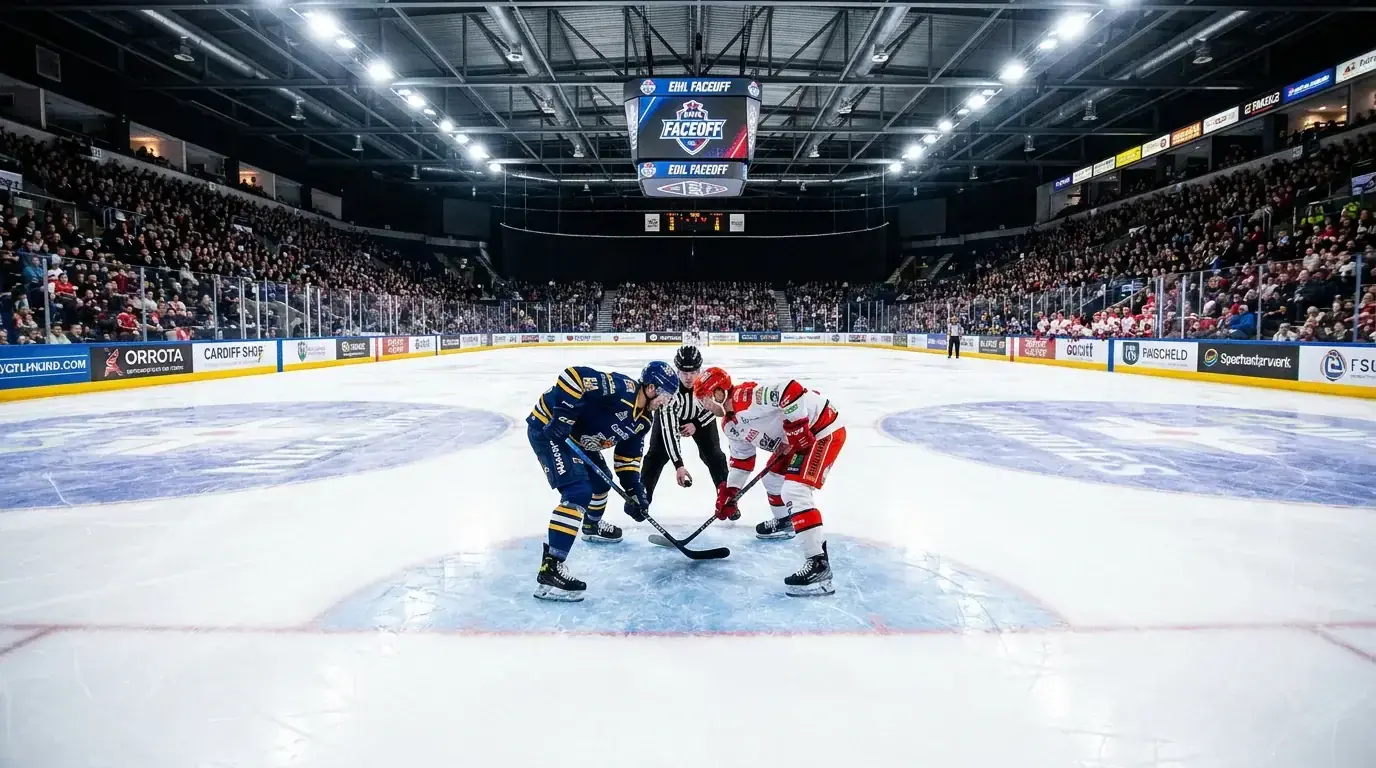
Decode the prices into plain probability and the picture sharpens. A decimal price of 4.00 implies a twenty-five percent chance; 5.00 implies twenty percent; 3.50 implies a touch under twenty-nine. Add the three contenders together and you are already accounting for the bulk of the realistic title chances, with the margin baked on top. So the real exercise is not picking a winner from three strong teams. It is deciding whether you think, say, Sheffield’s true chance is closer to thirty-five percent than the implied twenty-nine the price offers. If it is, you have value. If your honest read matches the market, you have nothing but the bookmaker’s margin working against you.
Belfast’s eighth regular-season title is the kind of fact that pulls money toward them and shortens their price, and that is exactly when I get cautious. A club that just won is rarely a value bet the following season, because recency bias inflates the backing and the price drops below the true probability. The contender I want is the strong club that finished second or third and whose price drifted out as a result, not the champion everyone remembers.
Where the value usually hides instead
The mistake I made for years was treating the title market as the only EIHL bet worth having. The smarter money often sits in the match-by-match prices of the mid-table grind, and the numbers back this up. The three big favourites convert roughly sixty to sixty-five percent of their games at home into wins, and their match odds against mid-table sides sit around 1.60 to 1.90 in decimal.
Those prices reward patience rather than ambition. A favourite at 1.70 implies a fifty-nine percent chance, and if a top club is genuinely winning closer to sixty-five percent of comparable home games, that small edge is the kind of thing that pays out over a season of repeated bets. It is not glamorous. You will not tell anyone at the pub that you backed a heavy home favourite at 1.70. But the grind of finding small, repeatable edges in the contenders’ home games is, in my experience, where EIHL betting actually turns a profit, far more reliably than one big outright punt in September.

The mid-table itself is where the genuine longshots live, and I treat outright value there with real suspicion. A club priced at 15.00 or longer for the title is being told, correctly, that it is not winning the league. Backing it for the romance of a long price is how people donate to bookmakers.
Judging form without fooling yourself
Attendance is a quietly underrated form signal, and the trend is unmistakable. Average EIHL crowds climbed from 3,148 in 2022-23 to 3,660 in 2024-25 and 3,863 in 2025-26, a league growing in confidence and atmosphere. A rising, loud home crowd is not just colour; it correlates with the home edge that drives those 1.60 to 1.90 prices, and the clubs pulling the biggest crowds tend to be the ones in form.
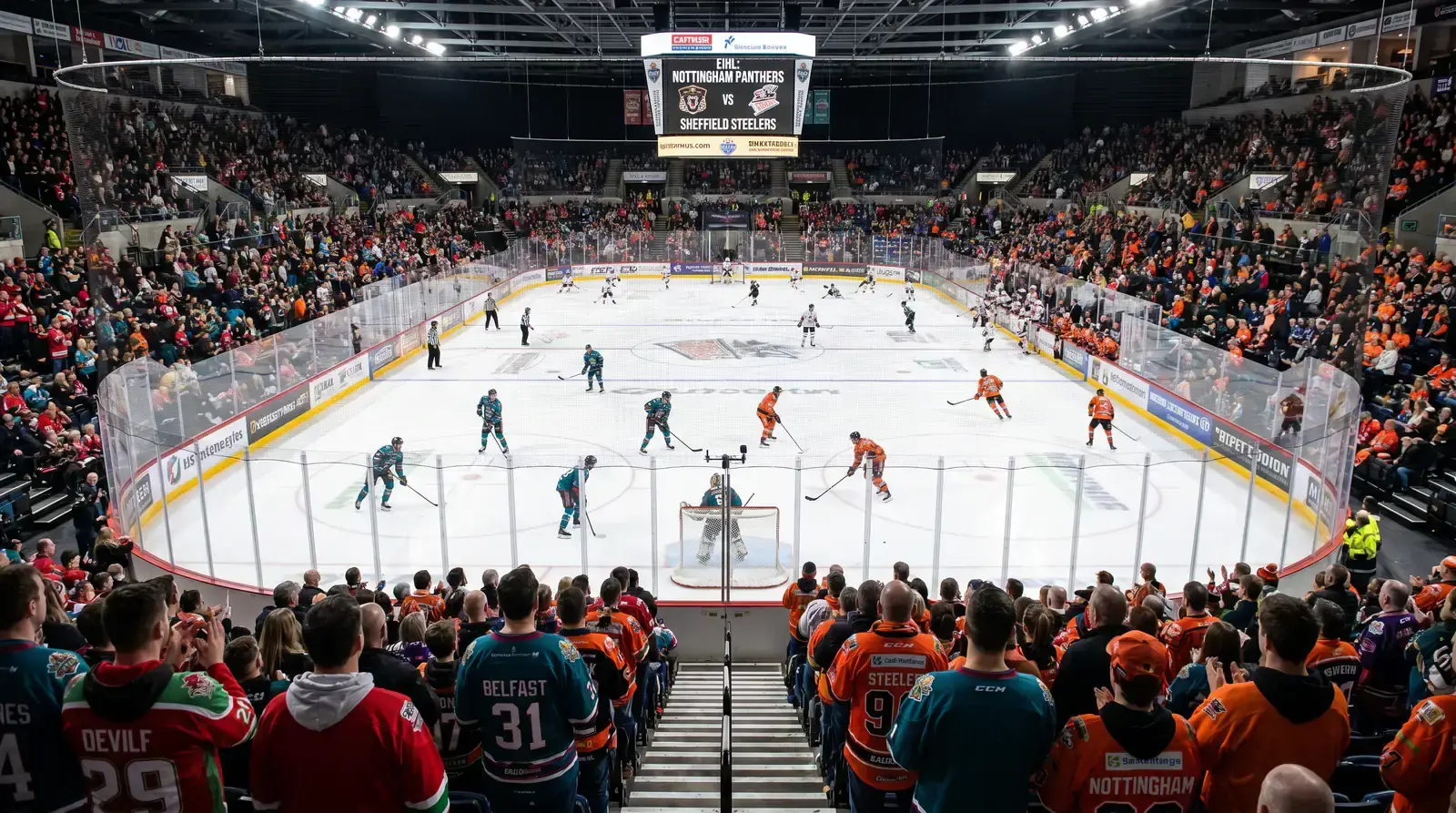
When I judge a contender mid-season, I am looking past the league table at three things: how they are scoring rather than how many points they have, whether their goaltending has been steady, and how their price has moved over recent weeks. A club whose price is shortening while its underlying play stays flat is a club the market is overrating. A club drifting in price while playing well is the value I chase.
Goaltending deserves its own line here, because in a short British season one hot or cold netminder can swing a club’s whole campaign. A contender riding a goalie in career-best form is more fragile than its results suggest, since that form rarely holds across an entire season, and the price will not have discounted the regression yet. Conversely, a strong club whose goalie has been merely ordinary may be the one with upside left in its title price. I weight goaltending heavily precisely because the market tends to react to it slowly.

The people who oversee the integrity and safety of British gambling have framed the current era plainly. As Andy Boucher, chair of trustees at the harm-prevention charity GambleAware, put it when the new funding system came in, “We welcome this new era in which gambling harms are recognised alongside other public health issues and are funded through a statutory levy.” That backdrop is worth keeping in mind: bet the contenders for value, not for the thrill of a title shout, and size your stakes like someone who plans to be doing this next season too. For the full market picture across outrights, home edge and match prices, I cover it in my main EIHL betting odds guide.
The contender I actually back, most seasons
If you forced me to a single principle, it is this: back the second-favourite, not the favourite. In a three-horse race priced between 3.50 and 5.00, the club just behind the market leader usually offers the better blend of genuine title chance and a price that has not been bid down by recency. Belfast, Sheffield and Cardiff will keep trading places at the top, trophies will keep splitting between them, and the punter who pays 5.00 for a side with a real twenty-five percent chance will, over enough seasons, beat the punter who keeps paying 3.50 for last year’s champions.